Browse Chapters
The AI Effect on the Power Grid: Why Modernization Can’t Wait
For more than a century electricity demand grew steadily, before leveling off for the past 25 years. Now demand is surging. Yet, much of the grid still resembles what was built over a century ago. Old power plants lines and aging transformers meet a new wave of loads from EVs, heat pumps, factories, and, now, data centers and AI. In this Horizons episode, University of Texas at Austin energy expert Dr. Michael E. Webber explains why AI can both strain and strengthen the grid. It increases demand, but also equips us to optimize dispatch, extend transformer life and accelerate breakthroughs. The path forward is clear. Expand and revitalize the grid. Retire old assets and add new capacity. Cut red tape to build faster. Embrace co-investment models where large users act as anchor partners with utilities to develop infrastructure upgrades that benefit the whole community.
The Urgent Case for Expanding Our Power Grid
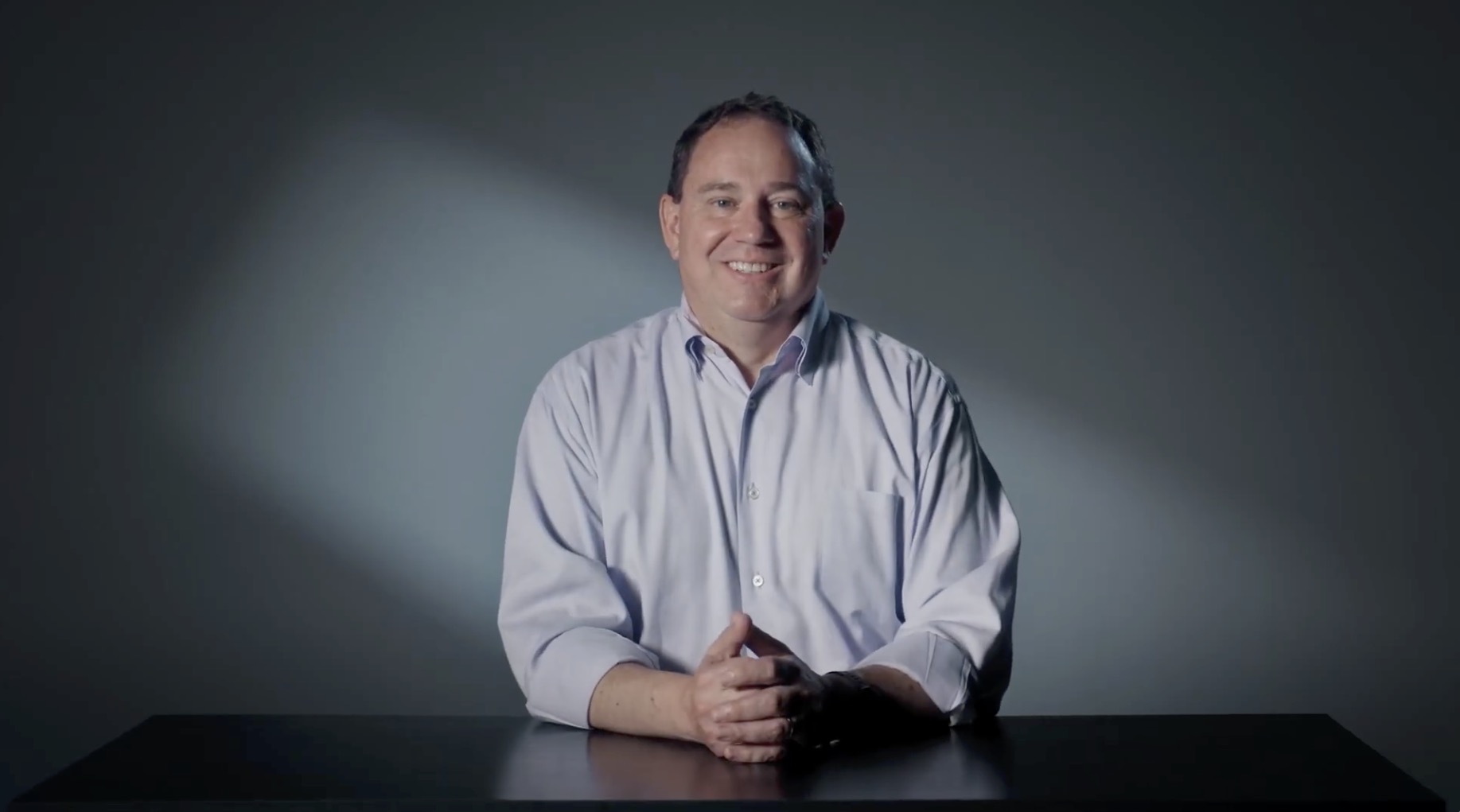
The growing power demand from AI is only part of a much larger shift in how our world uses energy. In this episode of Horizons Dr. Michael E. Webber from The University of Texas at Austin explains how the need to strengthen our power sector is being accelerated by everything from the electrification of transportation and industry to the rise of new home technologies. These pressures have been building for years but AI adds a new layer of national security urgency. Dr. Webber shares why the United States is entering a crucial five year window where action is essential for protecting economic growth improving energy efficiency and safeguarding global leadership. This episode offers a clear and timely look at why expanding the grid now will create lasting national security economic and environmental benefits for future generations.

How AI Will Save the Grid It’s Breaking
Artificial intelligence is creating new stress on the power grid yet it also holds the key to strengthening it. In this episode of Horizons Dr. Michael E. Webber from The University of Texas at Austin explains how the rapid growth of AI is putting unprecedented pressure on our energy system while simultaneously offering the smartest tools we have to fix it. AI can help improve the performance of power plants extend the life of essential equipment accelerate breakthroughs in energy storage and even support the design of next generation reactors. Dr. Webber shows how the innovations AI enables will ultimately outweigh the strain it creates leading to a more resilient efficient and reliable grid.

"I feel this great sense of urgency that now is a time to grow the grid quickly, and if we do that, we'll get immense national security, economic and environmental benefits."
Dr. Michael E. Webber
Sid Richardson Chair in Public Affairs | Cockrell Family Chair #16 in Engineering | The University of Texas at Austin , Austin, Texas
You might also like